Mechanical Engineer

Casper Muter

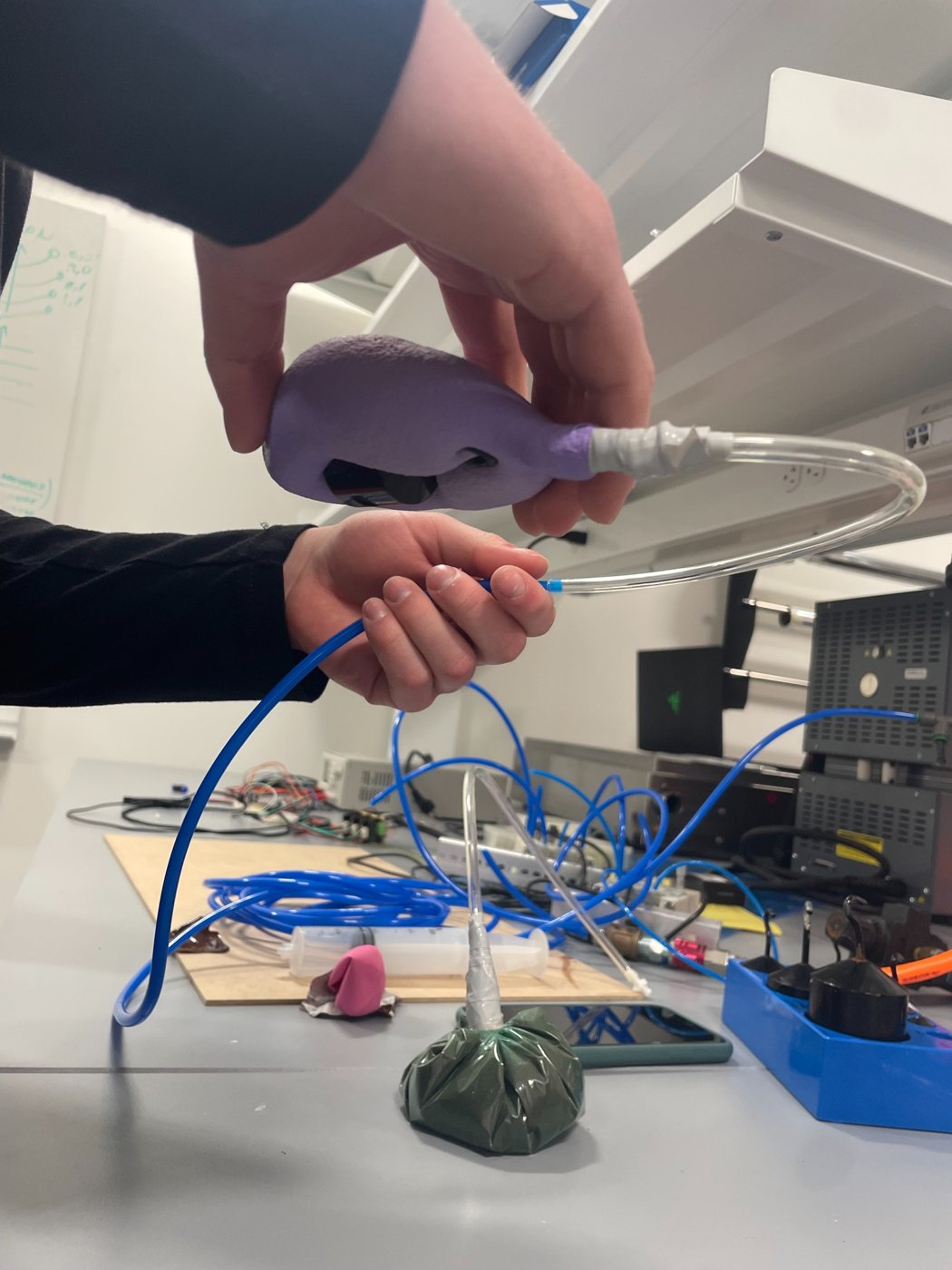
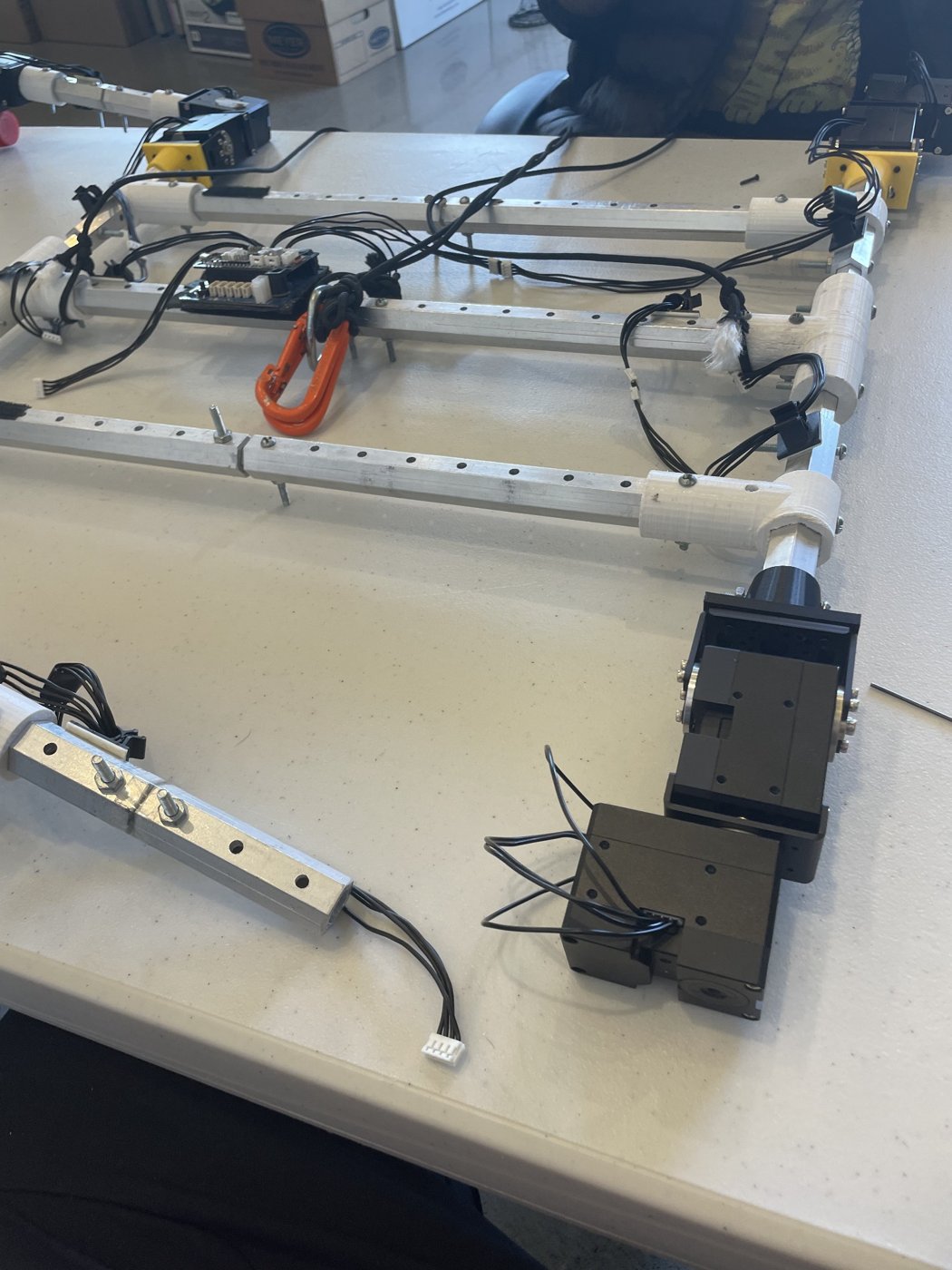
I’m a mechanical engineer working on medical devices and robotics. My work involves designing parts, building prototypes, integrating sensors, and testing hardware.

Casper Muter
Portfolio

Projects

Projects from industry, research, and coursework. Open a project to read about my role and the development process.

12 projects shown

OncoMagnetics project
Medical devices

OncoMagnetics

Biotex

Mechanical development of a wearable platform using rotating magnets for investigational glioblastoma treatment.

Read more

At Biotex, I help develop and test a wearable helmet that uses rotating permanent magnets to produce oscillating magnetic fields. The device is being studied as a possible treatment for glioblastoma.

My work includes mechanical design, building prototypes, fitting components, checking tolerances, and bench testing. I help investigate vibration and noise from the rotating assemblies and test design changes to improve reliability and comfort.

Read related paper
Soft robotic colonoscopy sleeve project
Soft robotics and medical devices

Soft robotic colonoscopy sleeve

Boston University (Material Robotics Lab)

Silicone fabrication, optical sensing, and pneumatic actuation for a force monitoring colonoscopy sleeve.

Read more

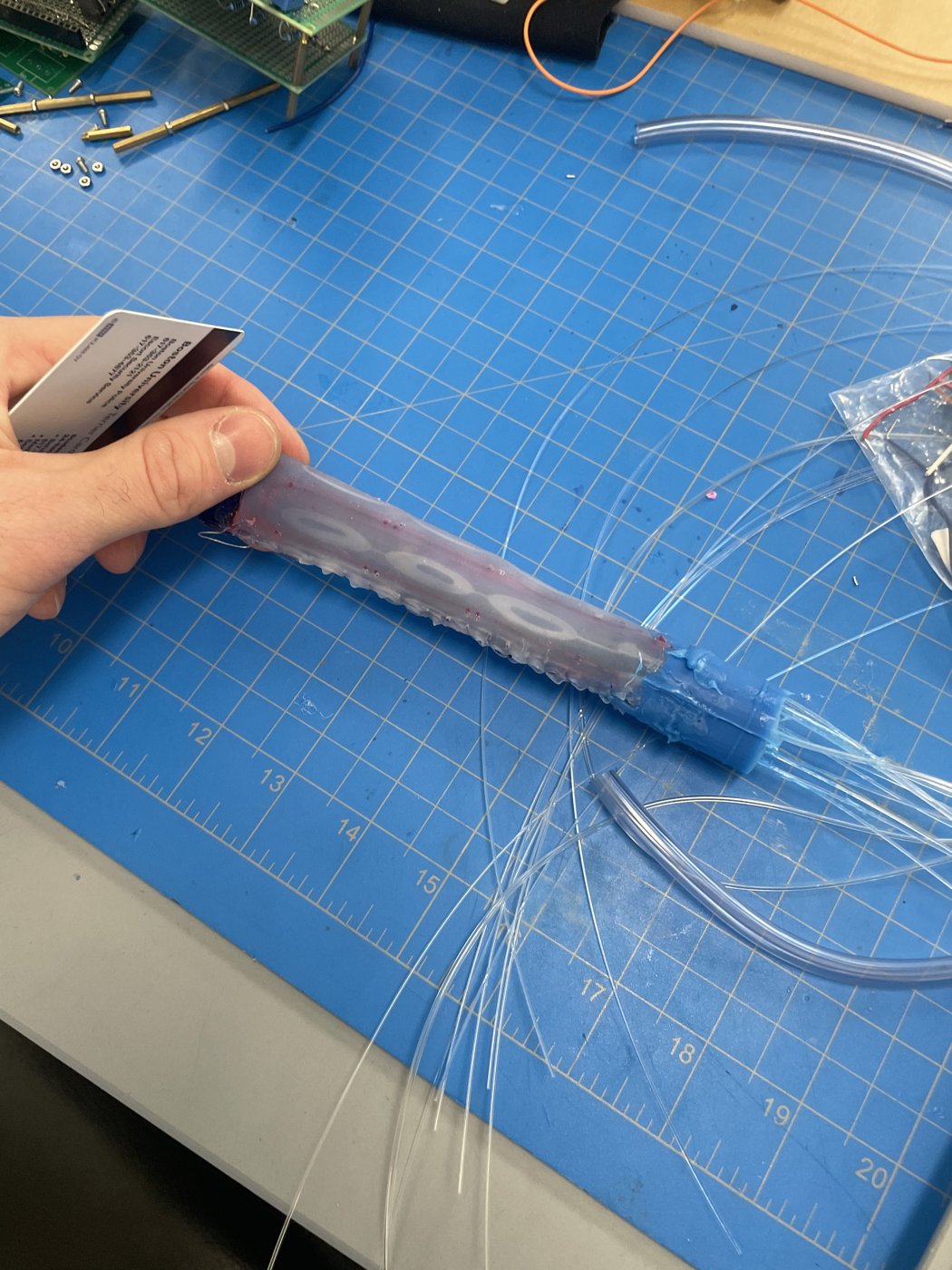
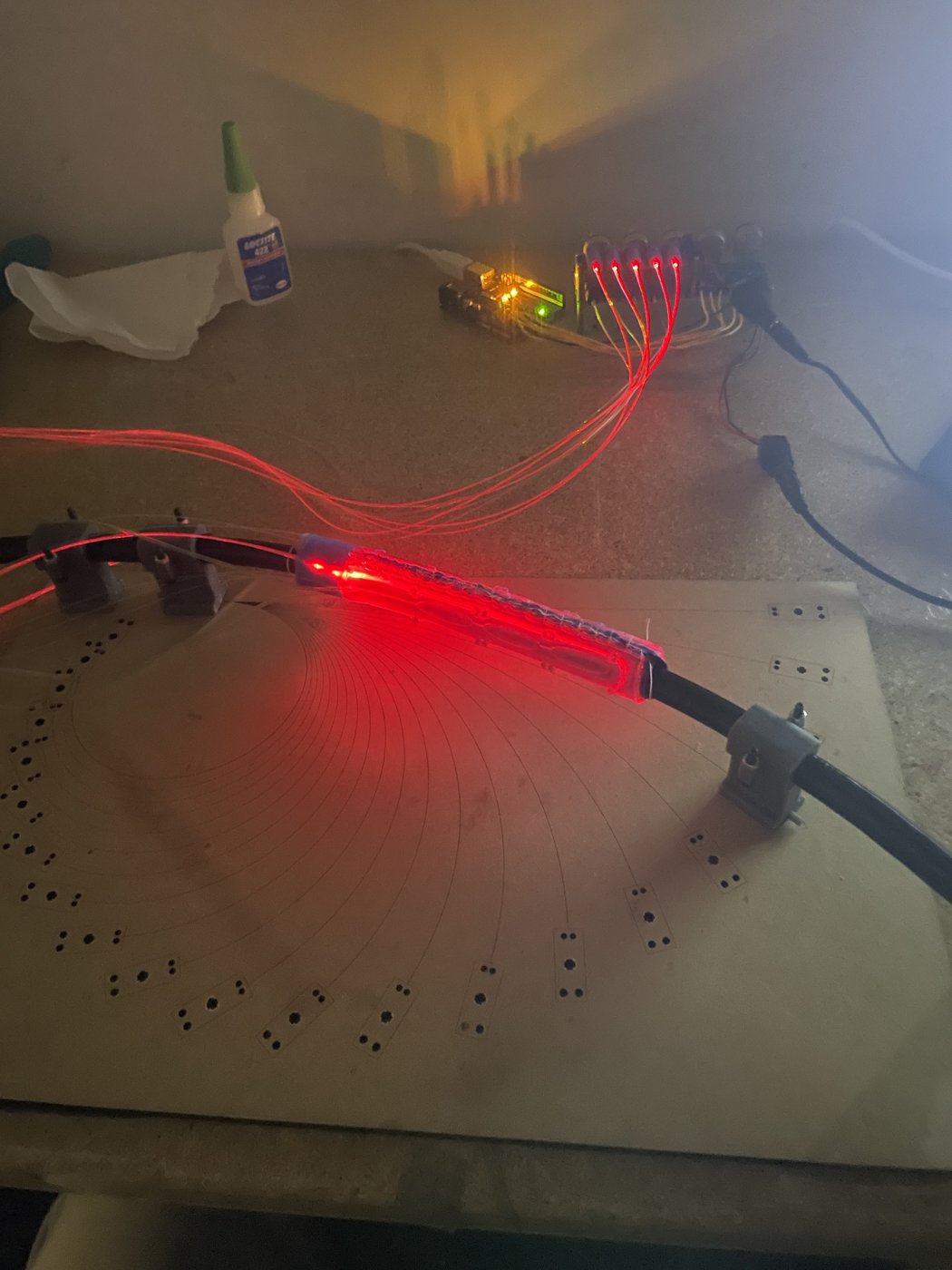
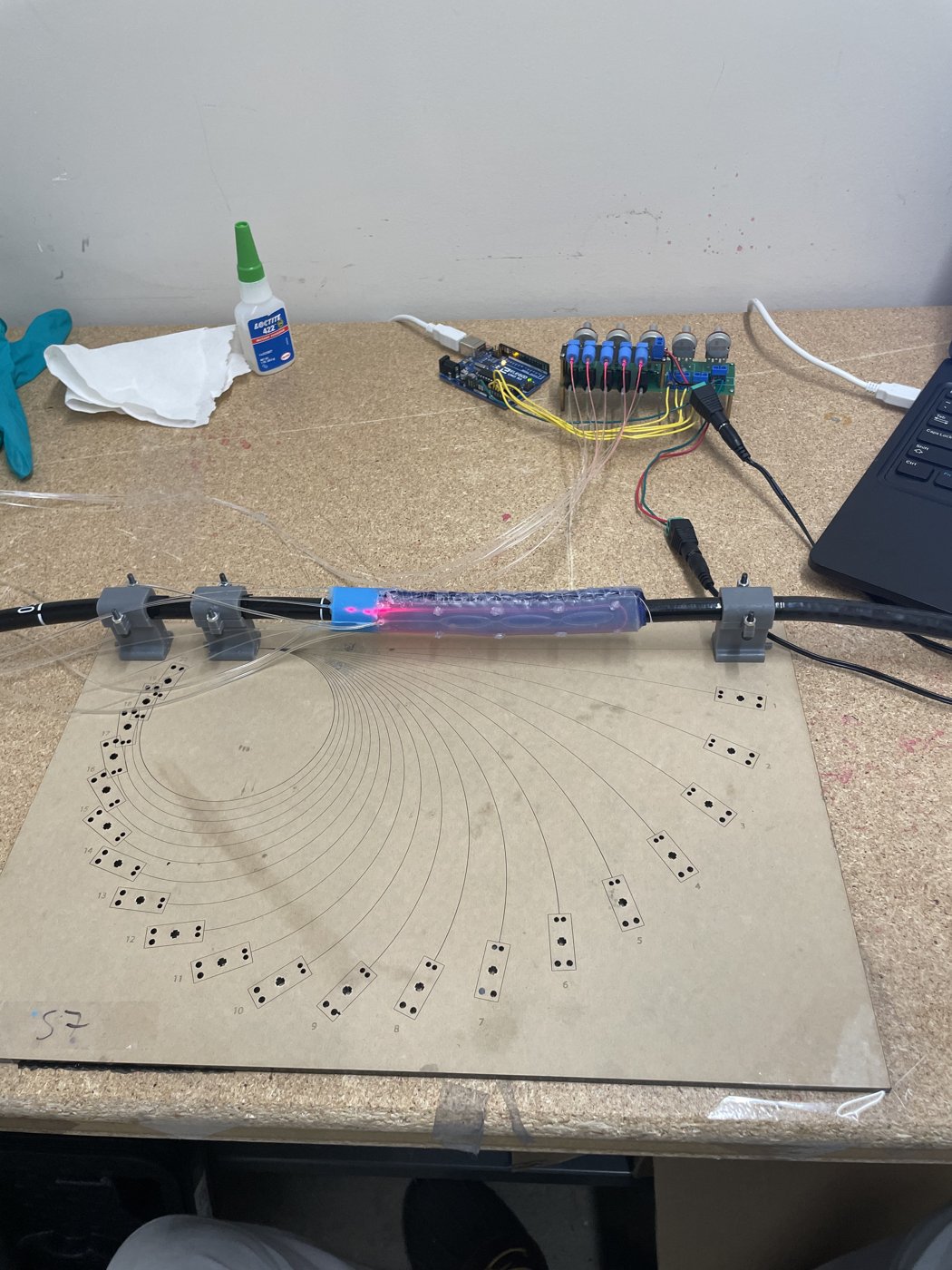
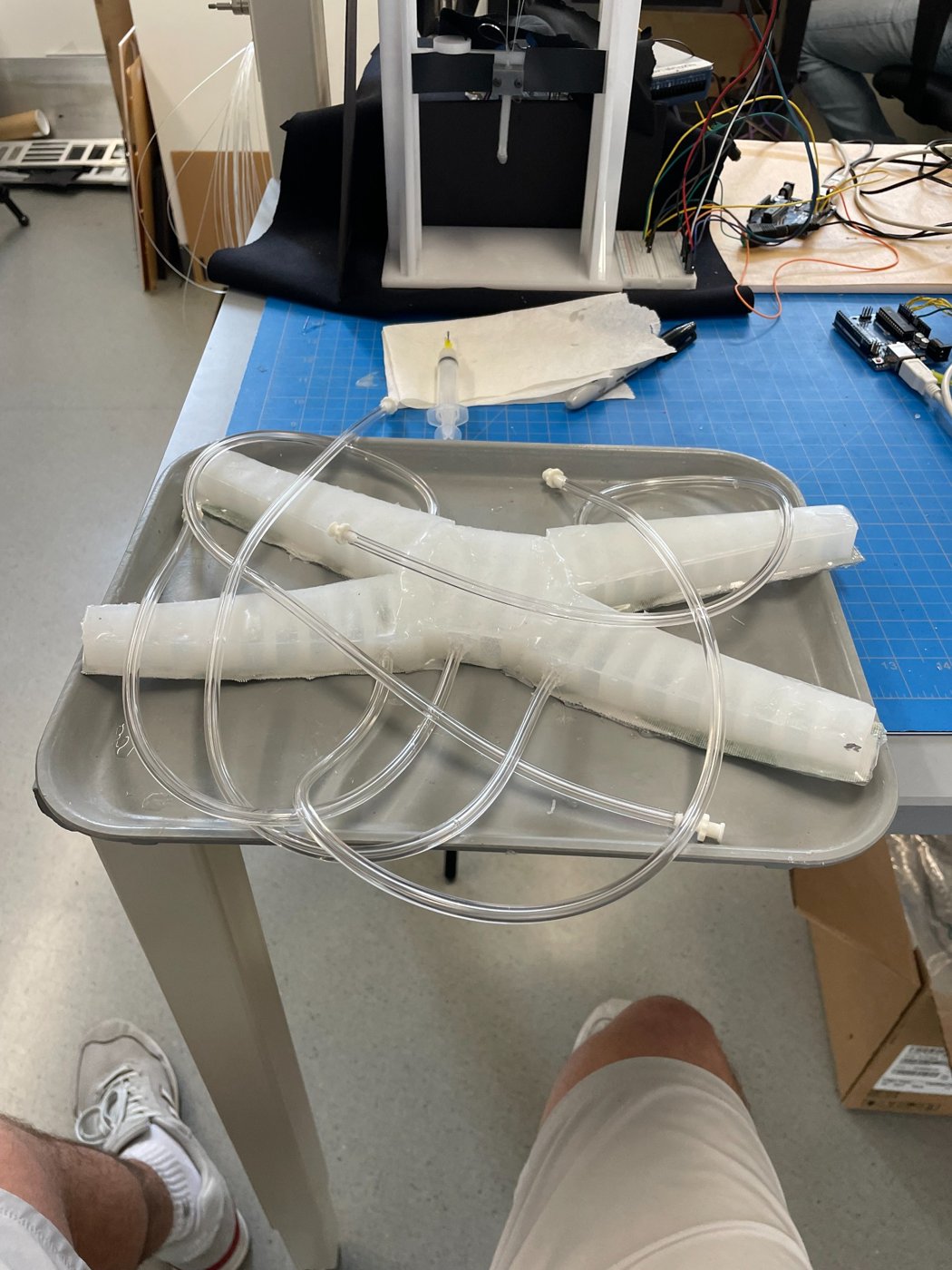
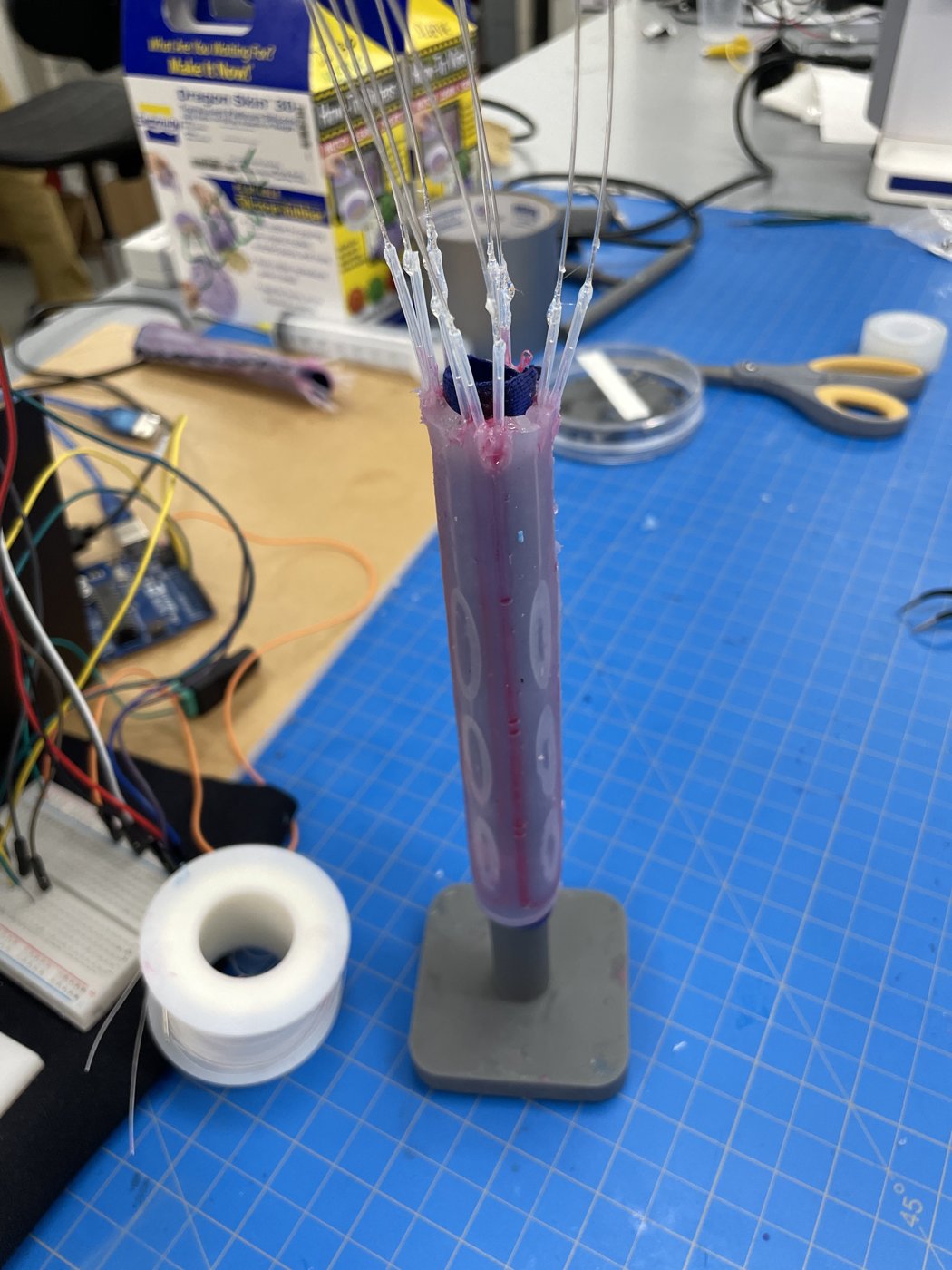
At Boston University’s Material Robotics Lab, I helped build and test a soft robotic sleeve for a standard colonoscope. Optical sensors in the sleeve monitor bending and estimate contact forces. Pneumatic actuators inflate to spread pressure over a larger area.

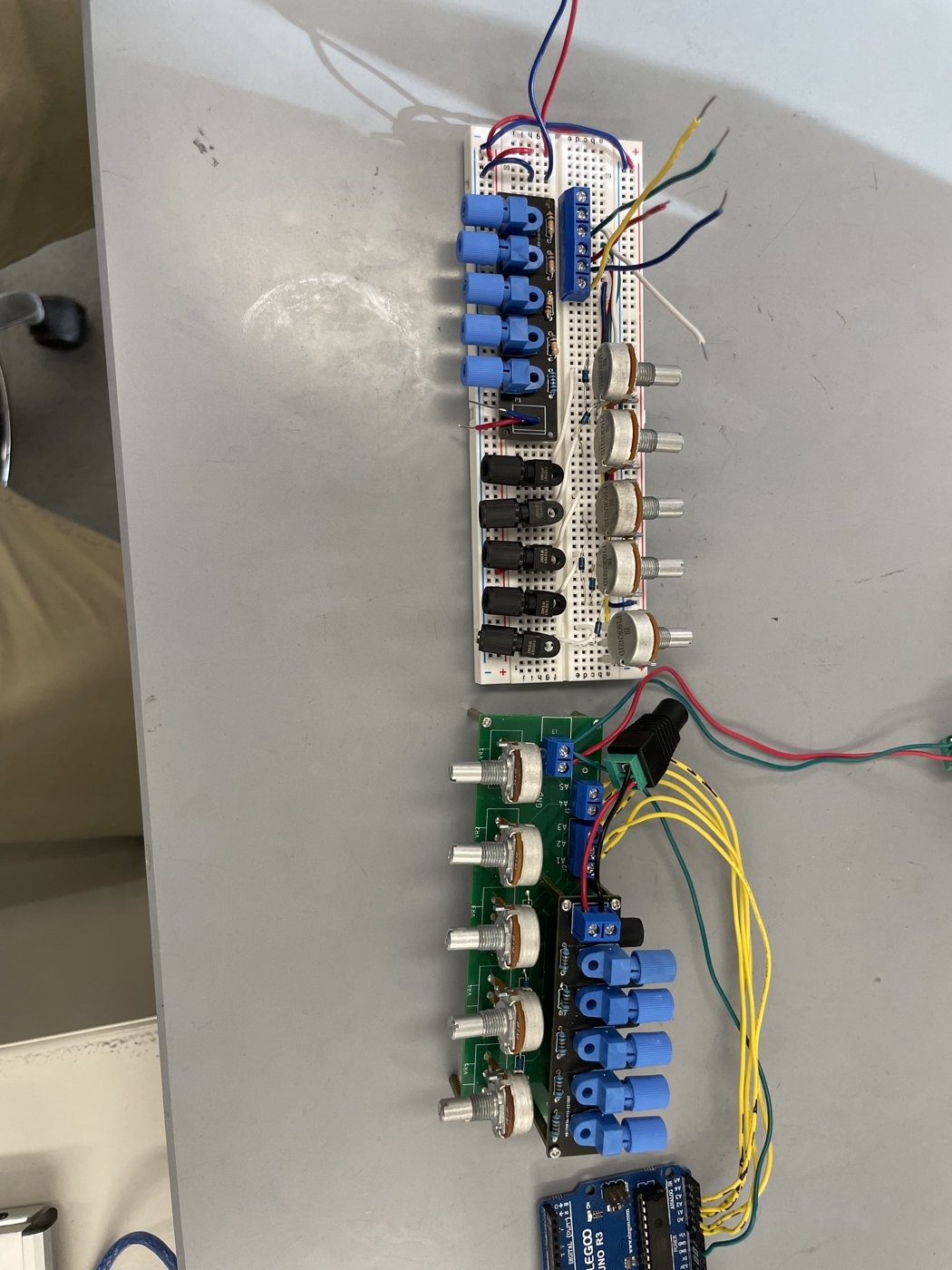
I fabricated silicone devices with optical waveguides, pneumatic channels, fabric reinforcement, and optical fibers. I also helped assemble the optical circuitry and portable control box and calibrated the sensors.

I participated in testing with bovine colon tissue and a colonoscopy simulator. The team later evaluated the device in animal studies and published the work in npj Robotics.

Read related paper

Stacked balloon actuators project
Soft robotics

Stacked balloon actuators

Boston University (Morphable Biorobotics Lab)

Fiber reinforced pneumatic actuators designed for large deformation, retraction, and soft robotic locomotion.

Read more

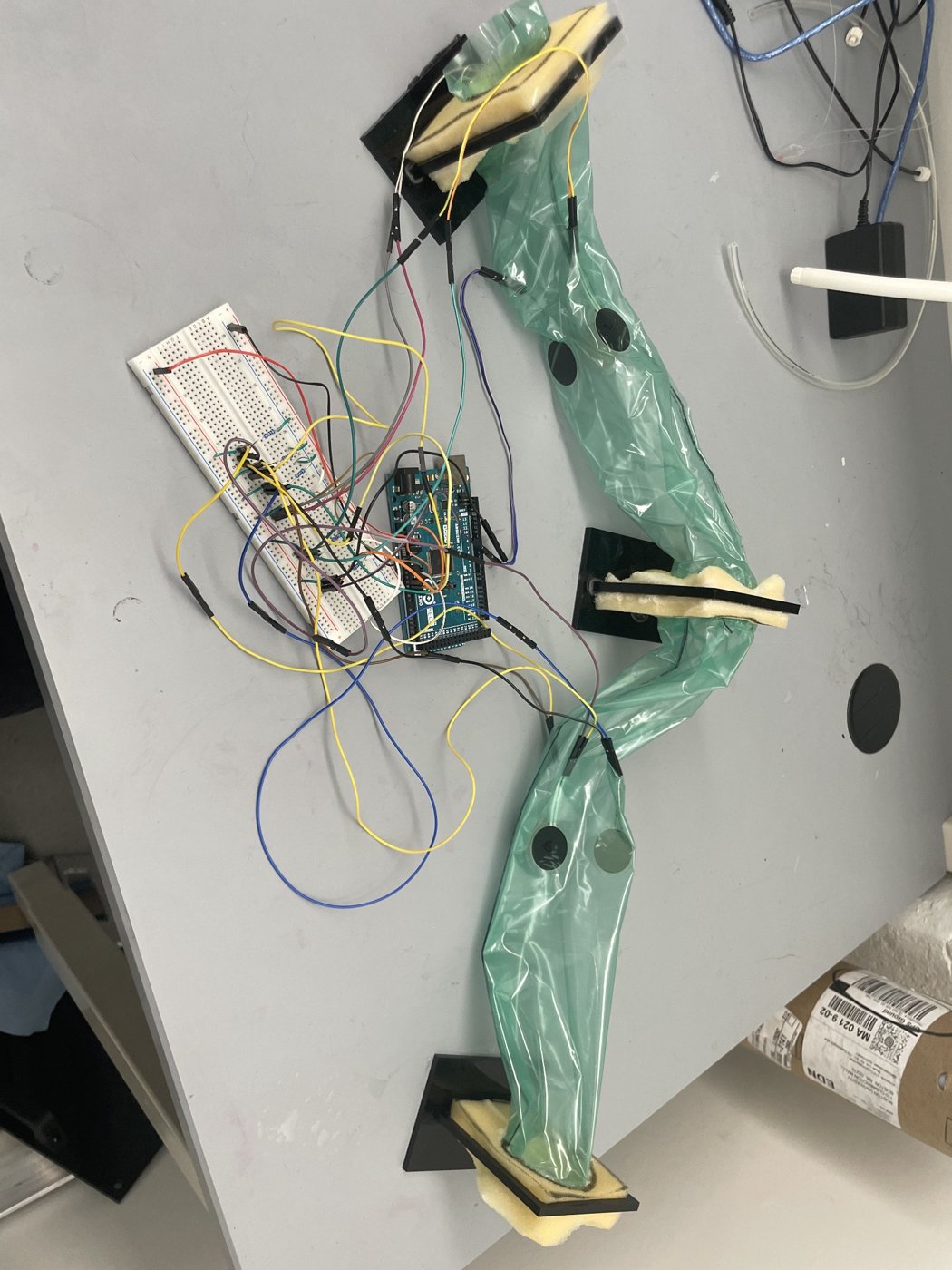
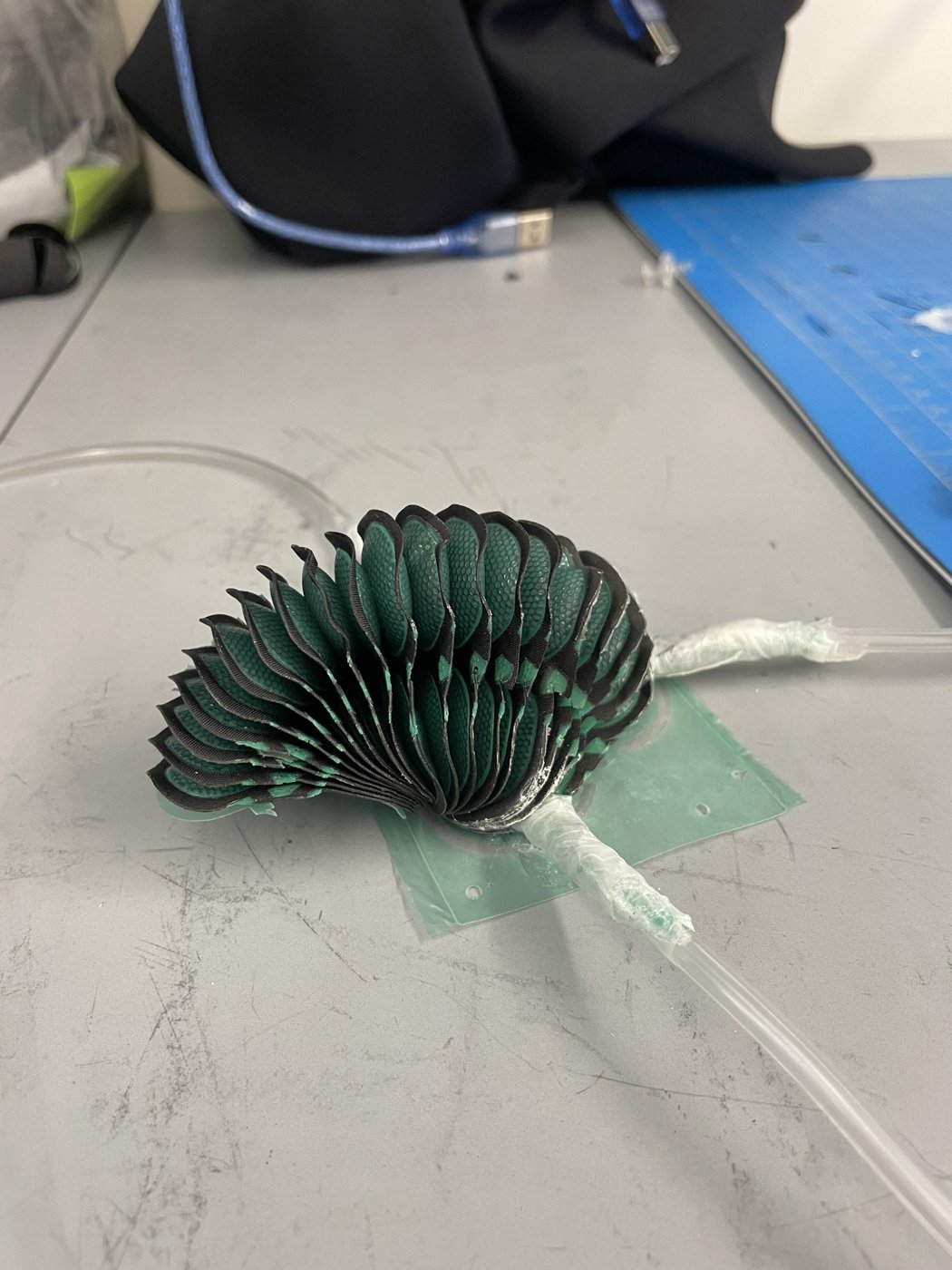
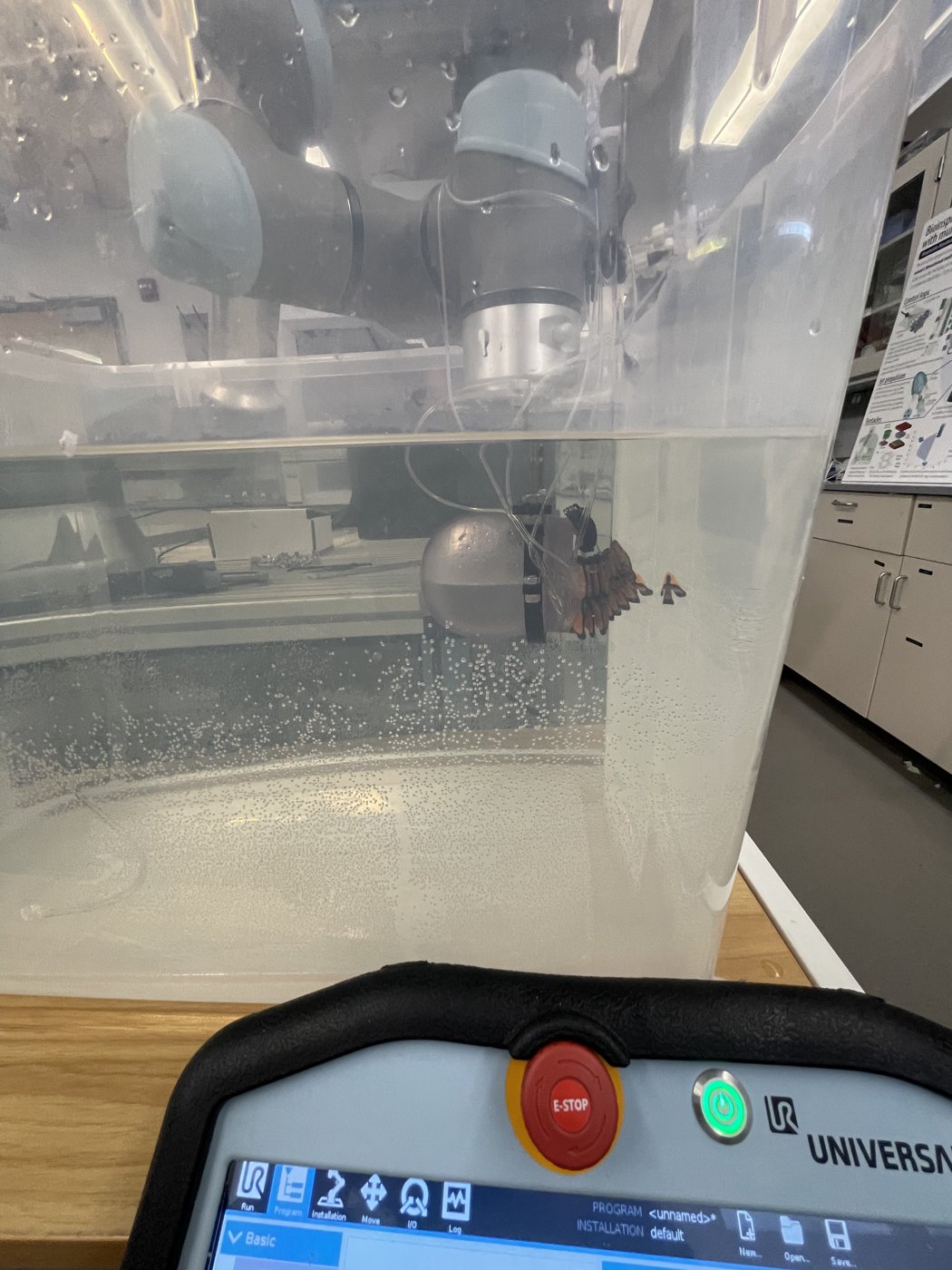
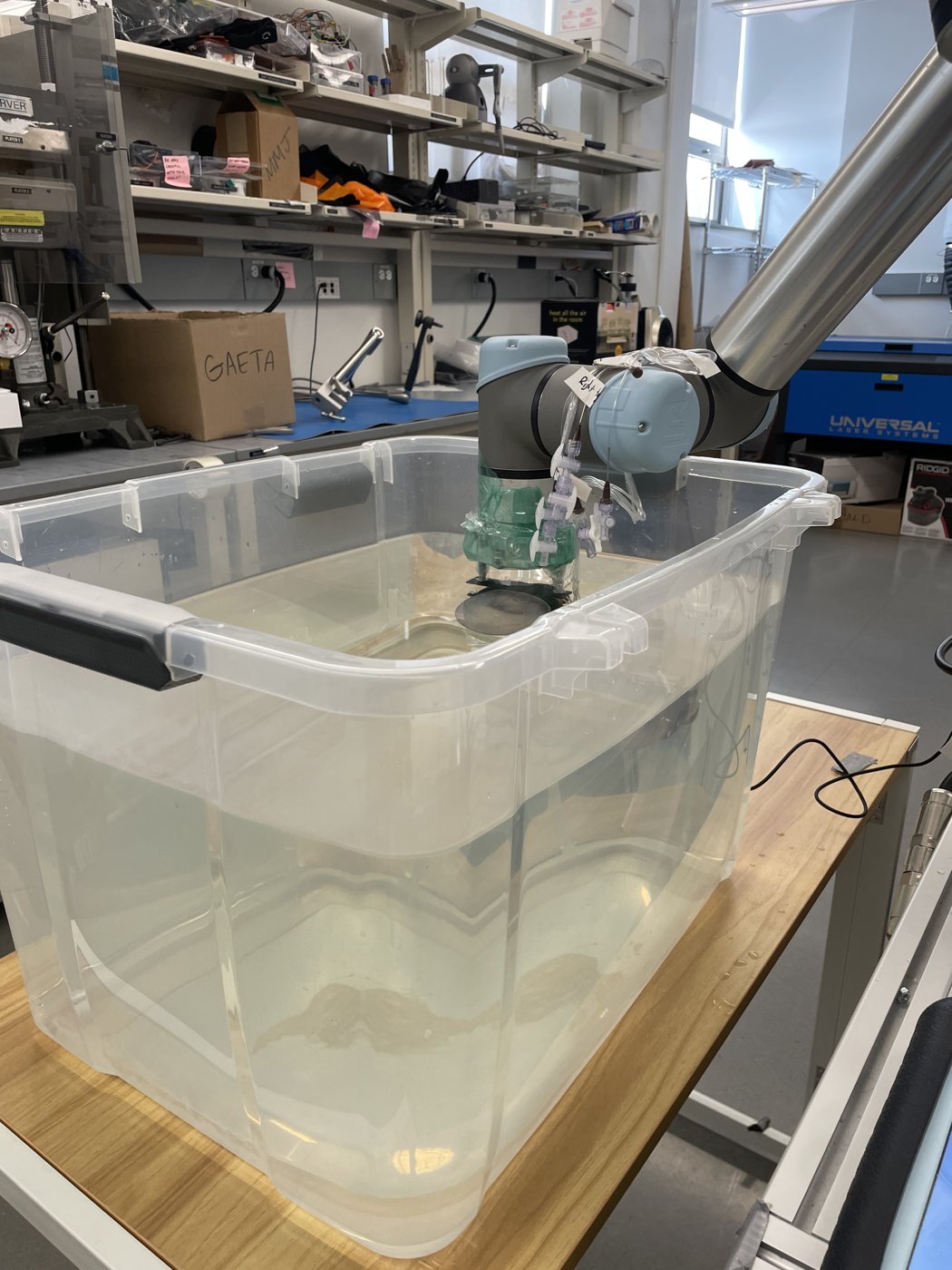
At Boston University’s Morphable Biorobotics Lab, I fabricated stacked balloon actuators by heat pressing layers of thermoplastic polyurethane. The actuators expand when pressurized.

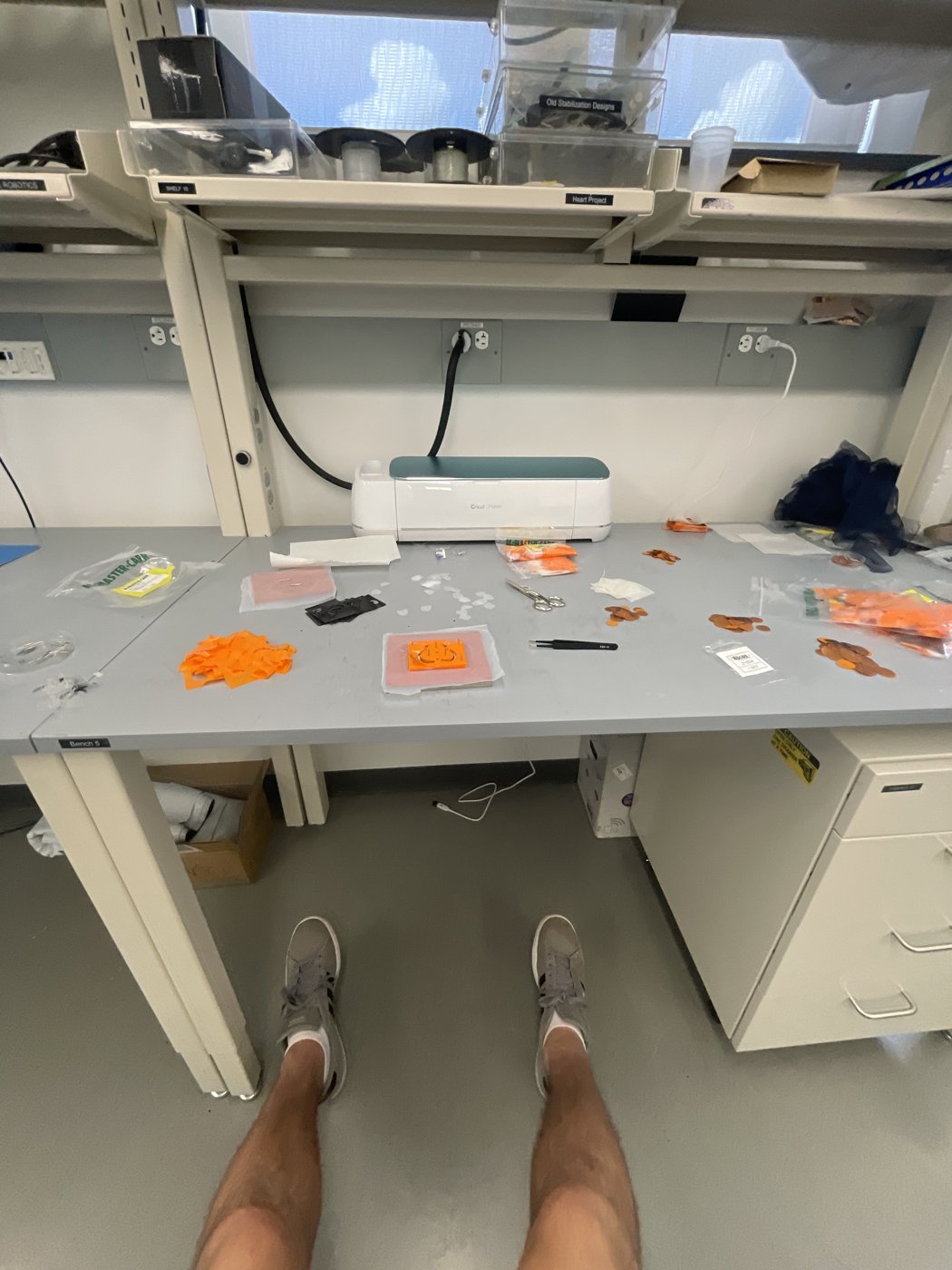
I helped add nylon mesh and heat sealable nylon taffeta to strengthen the actuators and reduce buckling. My work involved preparing materials, laser cutting, aligning layers, and adjusting the heat pressing process to produce airtight bonds.

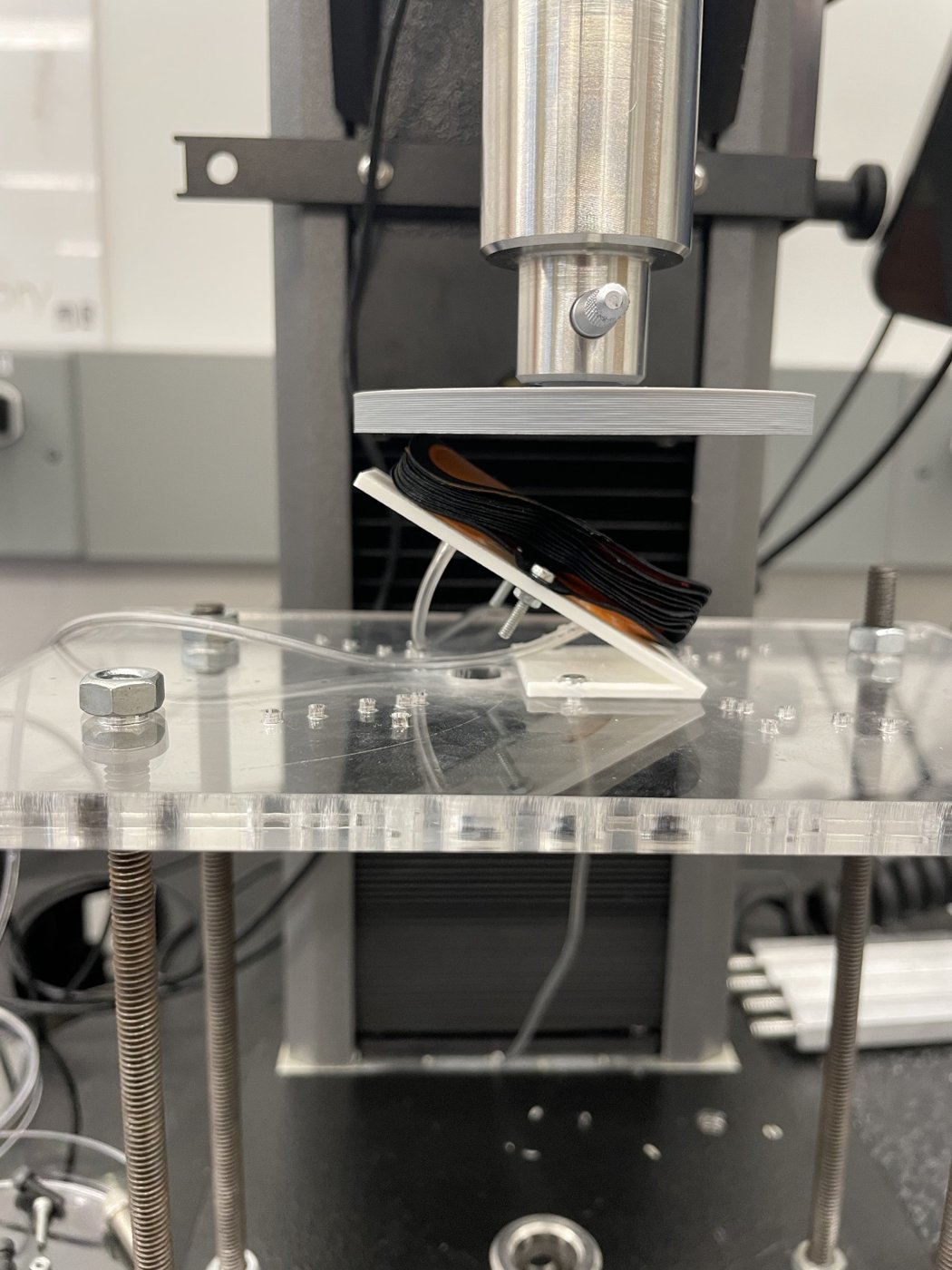
I also helped test the actuators with an Instron system, analyze results in MATLAB, and run experiments above and below water. The actuators were used in a soft robot that could support weight and change shape to move through tight spaces.

Read related paper
Redpoint optical instrument project
Medical devices

Redpoint optical instrument

Biotex

Precision mechanical interfaces and rapid prototypes for a laser based laboratory instrument.

Read more

At Biotex, I supported Redpoint, a laboratory instrument that uses laser detection and capillary separation to analyze small samples without molecular labels.

I worked on the capillary interface and parts that hold the capillary in position. One design used a small snap fit to simplify assembly while keeping the connection secure.

I also helped test and troubleshoot the instrument, looking at how alignment, tolerances, and part geometry affected optical performance.

Cable driven rehabilitation glove project
Soft robotics and medical devices

Cable driven rehabilitation glove

Boston University

A compliant wearable combining cable driven actuation with assisted grasping exercises.

Read more

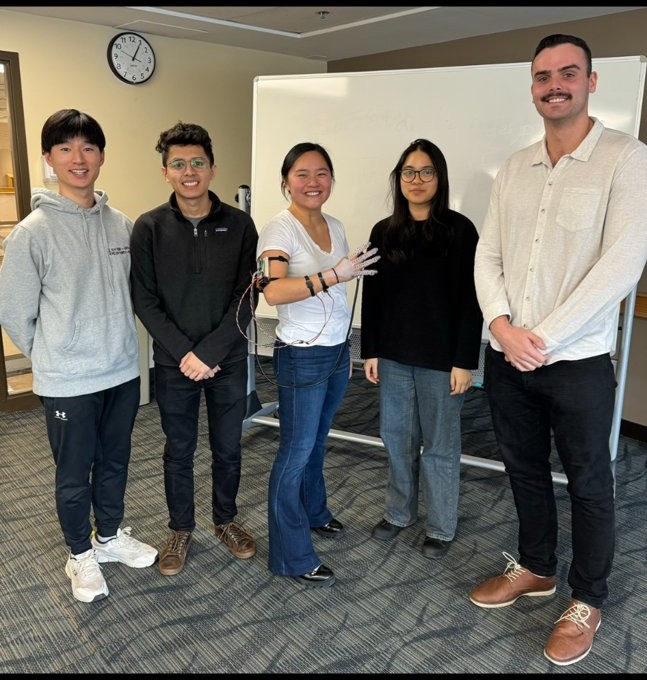
For a medical robotics course at Boston University, my team built a soft glove to assist finger movement during hand rehabilitation. Cables pull the fingers into flexion while the flexible glove adapts to the hand.

I helped design, fabricate, assemble, and test the prototype. We used 3D printed molds, cable guides, servo driven spools, and an actuation assembly mounted at the wrist. We also developed a grasping exercise that used pressure measurements to track performance.

Soft robotics

Soft robotic starfish

Boston University

Pneumatic locomotion and granular jamming grasping in a bio inspired silicone robot.

Read more

For Boston University’s Soft Robotics course, my team built a silicone starfish robot for a competition based on the RoboSoft challenges. It used pneumatic legs and bellows to move, with a granular jamming grasper to pick up objects.

I led much of the mechanical design, fabrication, and assembly. I designed molds in SolidWorks, cast and bonded the silicone parts, added layers to limit stretching, and routed and sealed the pneumatic lines. I also tested changes to the leg shape, friction materials, and gait.

The robot could crawl, grasp objects of different sizes, and withstand drops of up to two meters.

Robotics & automation

CocoBot

Boston University

Computer vision, depth sensing, and robotic manipulation for automated coconut harvesting.

Read more

For a graduate project at Boston University, I helped develop CocoBot, a robot intended to locate and harvest coconuts. It combined YOLOv5 object detection, an Intel RealSense depth camera, and a robotic arm with six degrees of freedom.

I helped integrate and test object detection, depth measurements, coordinate transformations, inverse kinematics, and arm control. The system located coconuts in 3D and moved the arm toward a selected target.

Robotics & automation

HARQ quadruped

University of Hartford

Mechanical redesign of a mobile quadruped to transport supplies to isolated hospital patients.

Read more

For my senior capstone at the University of Hartford, I helped redesign HARQ, a remotely operated quadruped intended to carry food and medicine to isolated hospital patients.

I modeled a new frame in SolidWorks, helped modify the aluminum structure and motor orientation, and developed 3D printed joints and feet. I also helped assemble the robot and test its stability. After several changes to the mechanics and motion control, the robot could walk on battery power while carrying its intended payload.

Robotics & automation

Epson robotic workcell

University of Hartford

A SCARA robot, dual conveyors, and PLC controls working together in a pick and place sequence.

Read more

For an automation project at the University of Hartford, I helped build a workcell with an Epson T3 SCARA robot and two conveyors. A vacuum tool moved and stacked parts, while a CLICK PLC coordinated the robot and conveyors.

I worked on PLC ladder logic, HMI programming, wiring, robot point teaching, and SPEL programming. The finished system coordinated its sensors, conveyors, and robot to repeat the material handling sequence.

Robotics & automation

FETCH autonomous robot

Boston University

A mobile robot guided by vision and LiDAR with a custom ball retrieval mechanism.

Read more

For a cyber physical systems project at Boston University, my team built a mobile robot that could find, retrieve, and return a ball. It used color detection to locate the ball, LiDAR to avoid obstacles, and a state machine to control its movements.

I worked on the retrieval hardware. I designed scooping concepts in CAD, evaluated actuators, and prototyped an electromagnet pickup mechanism for the robot.

Color detection with OpenCV project
Robotics & automation

Color detection with OpenCV

University of Hartford

Real time color detection with a Raspberry Pi, OpenCV, and a custom camera mount.

Read more

For an independent study at the University of Hartford, I built a system that detected yellow objects on a small conveyor. A Logitech webcam and Raspberry Pi 4B ran OpenCV, and an LED switched on when the target color was detected.

I adjusted the detection code, connected the LED through the Raspberry Pi’s GPIO, and designed a camera bracket in SolidWorks for 3D printing. I tested different bracket heights and camera positions to improve detection.

Mechanical testing

Torque tester

Kaman

I designed a fixture to test torque on the KRP product line during my engineering internship.

Read more

During my 2022 engineering internship at Kaman, I modeled the fixture in Siemens NX, chose and ordered components, and made drawings for the custom parts. I also helped fabricate and assemble it, then worked through issues during testing.

The video shows the fixture in use.

A little more about me

Interests & hobbies

Engineering interests

I enjoy working on medical devices, soft robotics, and wearable technology, including devices used in rehabilitation. I like building and testing prototypes, figuring out what works, and improving the design along the way.

I’d like to keep working on medical devices and robotic systems that solve practical problems, whether that means helping with a procedure, improving a device, or making everyday tasks easier.

Fitness & sports

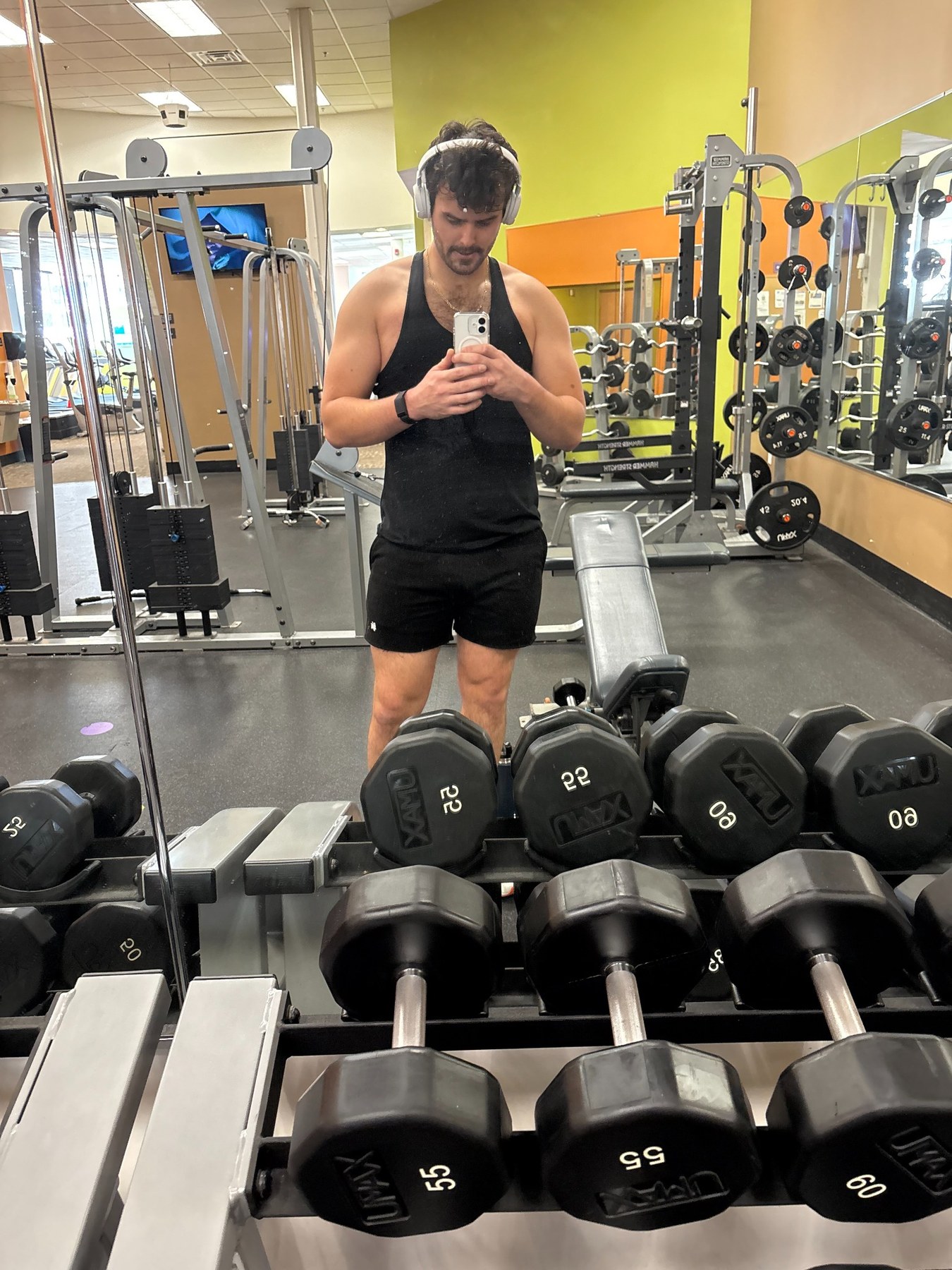
Weight training and sports are a big part of how I spend my time outside work.

Outdoors

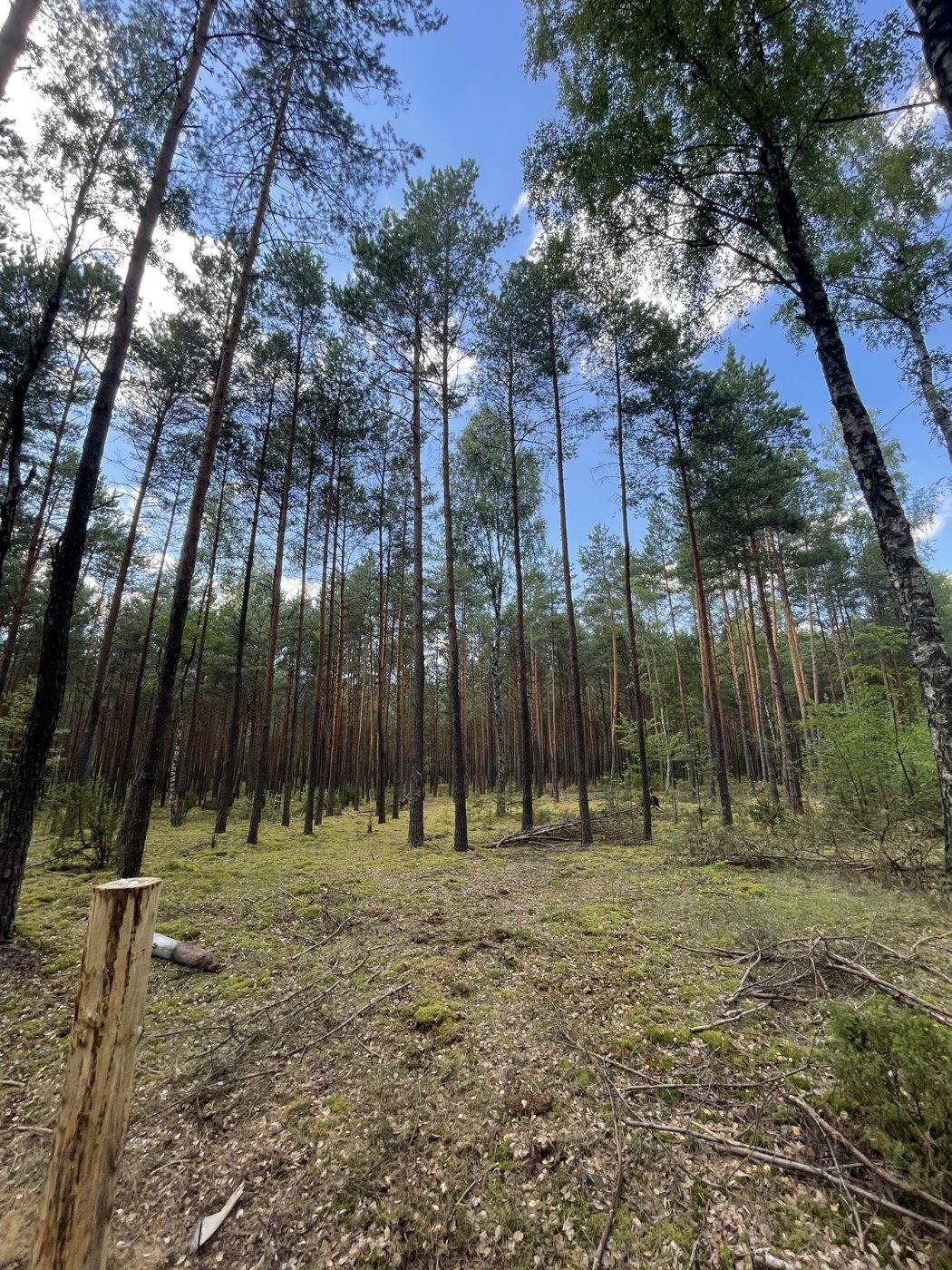
I love going on hikes and spending time in nature. When I visit family in Poland, I enjoy walking through the woods and picking mushrooms.

Photography & travel

I enjoy traveling and taking photos of the places I visit, especially landscapes and nature. I also like cooking (just not the cleanup) and spending time with friends and family.

Experience

Résumé & education

Research at Boston University’s Material Robotics and Morphable Biorobotics labs. Mechatronics and quadruped development at the University of Hartford. Hands on medical device development at Biotex.

Download résumé

Boston University

Master’s (Robotics & Autonomous Systems)

University of Hartford

Bachelor’s (Electromechanical Engineering Technology)

Core areas

Mechanical design, CAD, soft robotic fabrication, sensor integration, prototyping, benchtop testing, and system integration

Training

Certifications

Lean Six Sigma Yellow Belt certificate

Lean Six Sigma Yellow Belt

DMAIC, waste reduction, root cause analysis, and structured process improvement.

View certificate
Catheter Design Master Class certificate

Catheter Design Master Class

Hands on training in catheter materials, manufacturing, component selection, and post processing.

View certificate
Background

About me

I enjoy working close to the hardware: solving practical problems, testing ideas, and refining designs until they work in the real world.

I’ve worked on medical devices, soft robots, wearable sensors, optical instruments, and automation projects. My work includes designing parts, building prototypes, and testing how they perform.

My background

I come from a first generation background, with my family originally from Poland. Much of my family still lives there, and I enjoy visiting when I can.

Contact

Get in touch

Feel free to reach out about my work or engineering opportunities.

Email me